Bnei Baruch and Michael Laitman: Investigative Dossier

Bnei Baruch and Michael Laitman: Investigative Dossier

Published: Jan 1, 2024 Updated: Feb 16, 2026

The Essence of the Accusations

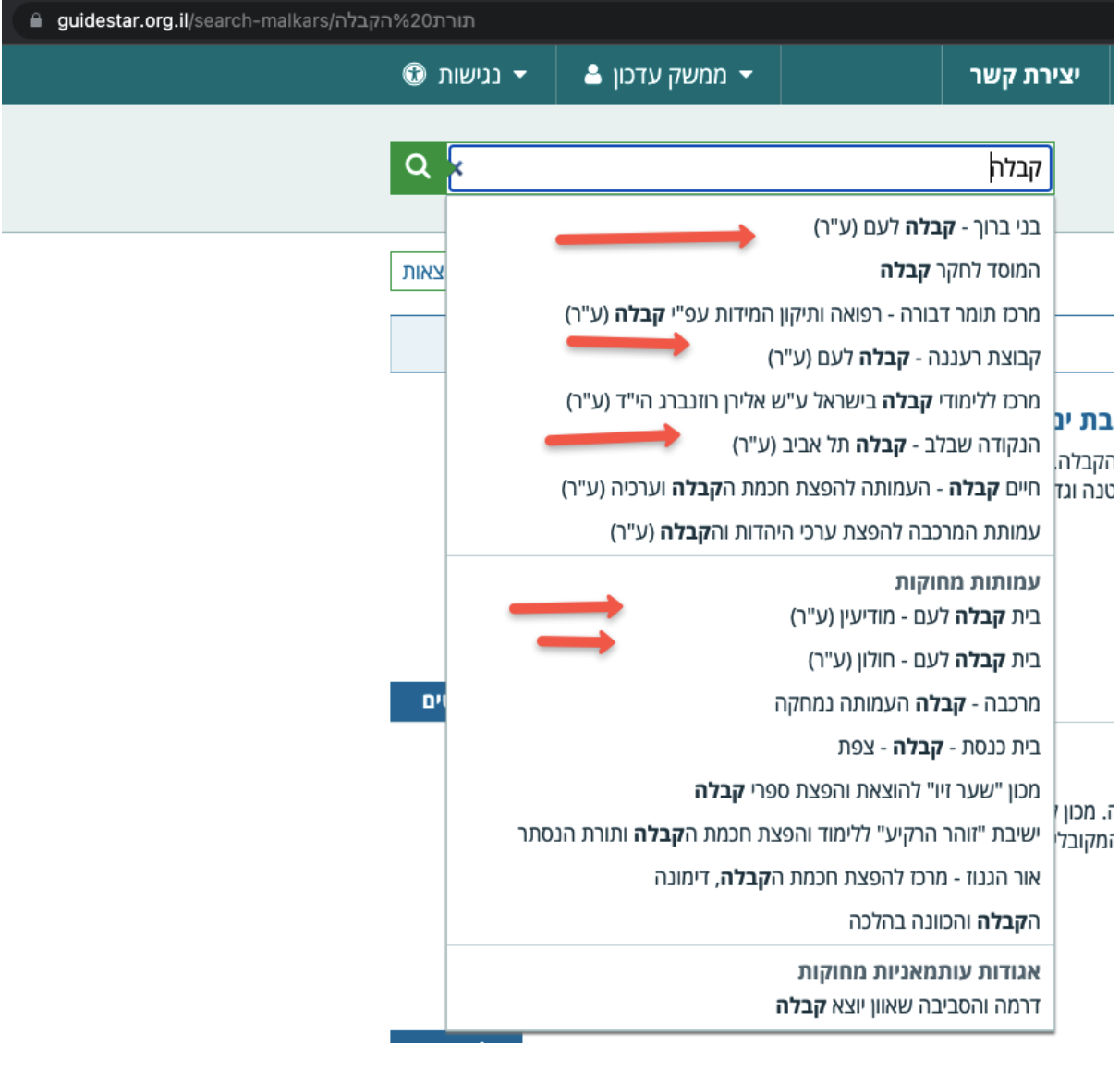
The "Bnei Baruch" movement (also known as "Kabbalah Laam" / Kabbalah for the People, "Together," "The Good Ones," "Growing with Joy," "Arvut," and a number of other front names) is an organization built around the sole authority of Michael Laitman and described in publications, testimonies, and research as having characteristics associated with a destructive cult. According to reporting by major Israeli media outlets, testimonies from former members, and materials linked to police investigations, the organization has been connected to allegations of sexual violence, financial exploitation, suppression of dissent, and concealment of crimes. The scale of these materials, their overlap, and the involvement of political figures tied to the movement make the subject one of public interest.

How this dossier is structured: the sections below separate documentary reporting, testimonies, and editorial conclusions. Statements not backed by direct documents are presented as testimonies or editorial interpretation, not as established fact.

What Is Known

Facts (documents, media, research)

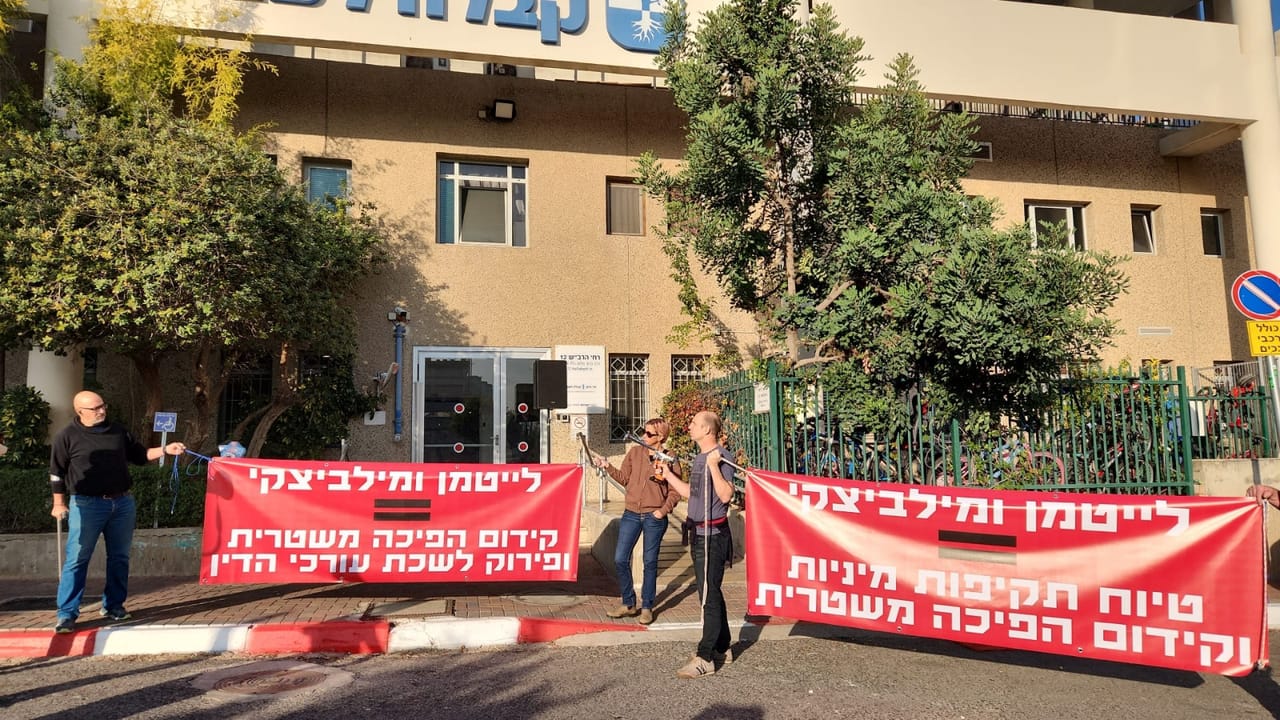
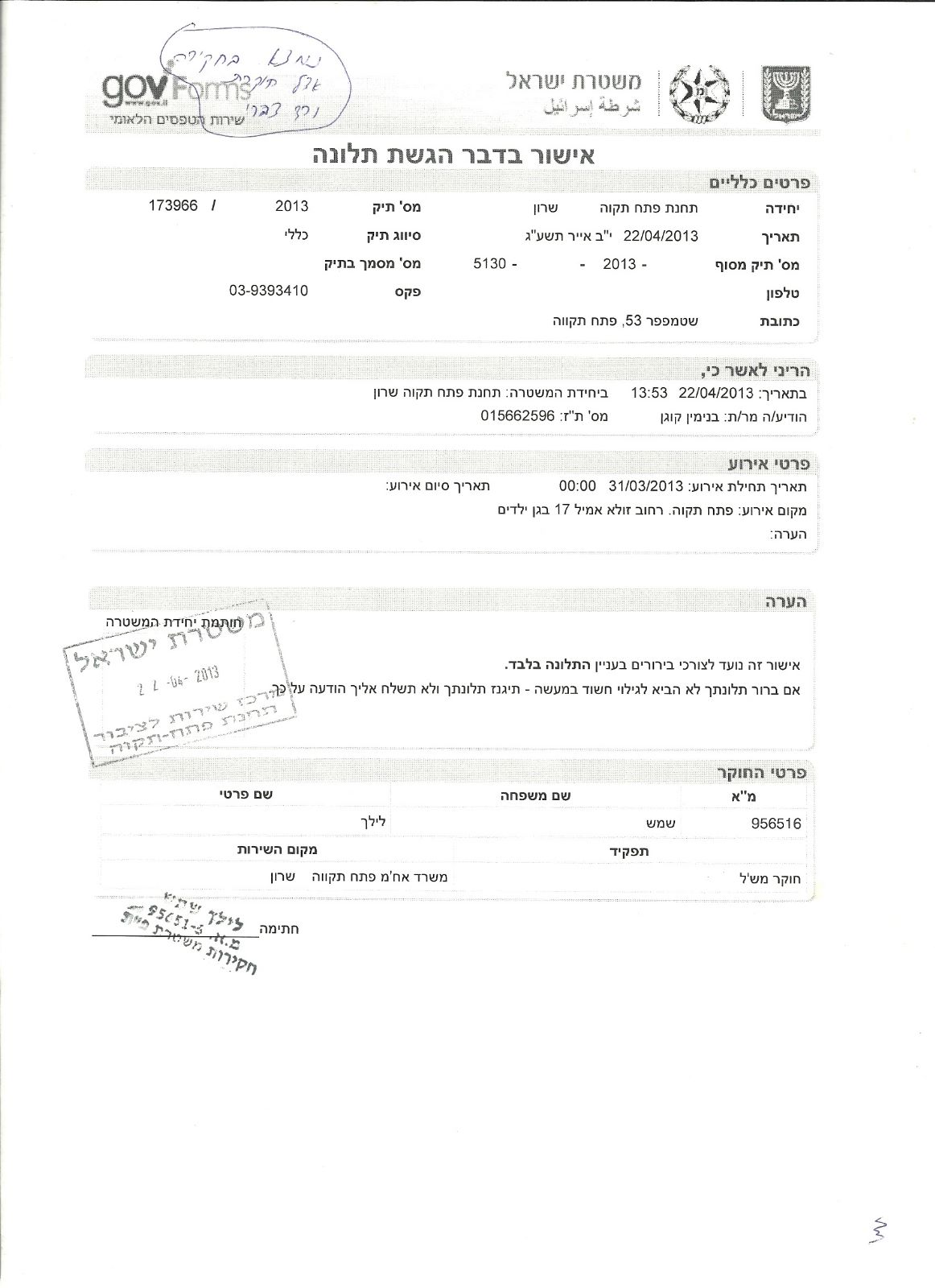
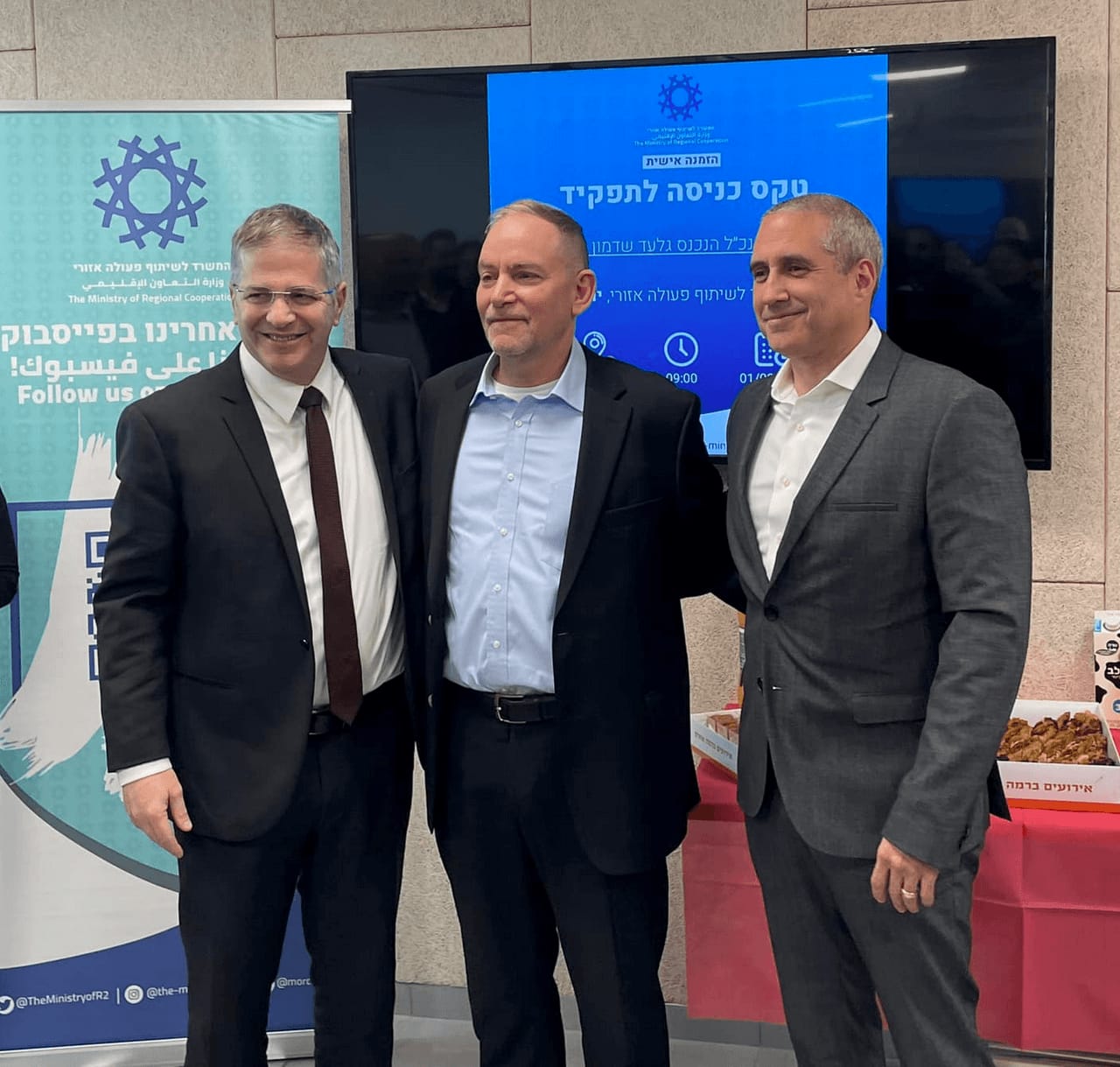
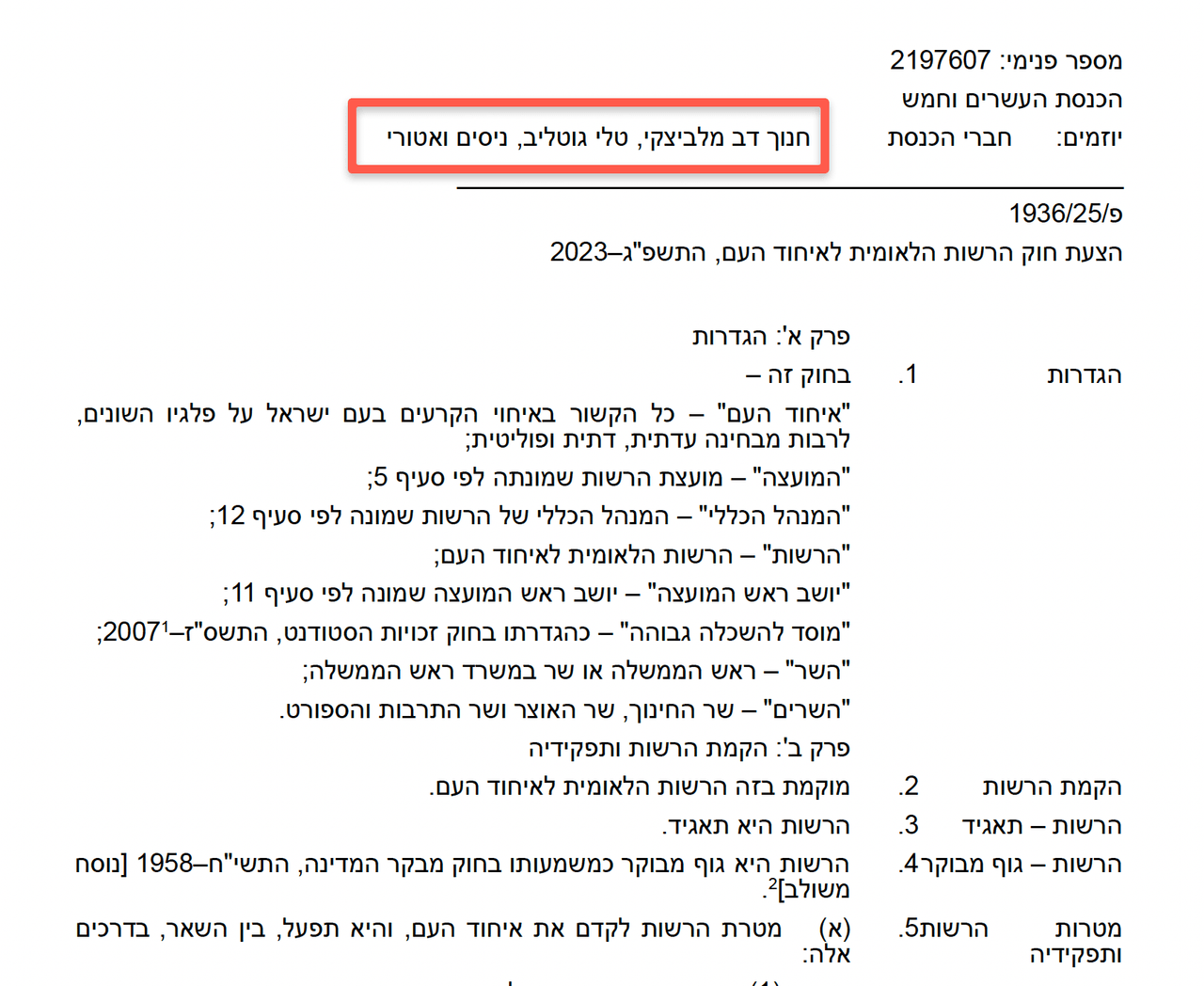
  • Knesset Member Hanoch Milwidsky, a long-time associate of Laitman, was summoned to LAHAV 433 on suspicion of rape and obstruction of justice — as reported by Calcalist, Haaretz, Ynet, i24news, Times of Israel, and other major media outlets.
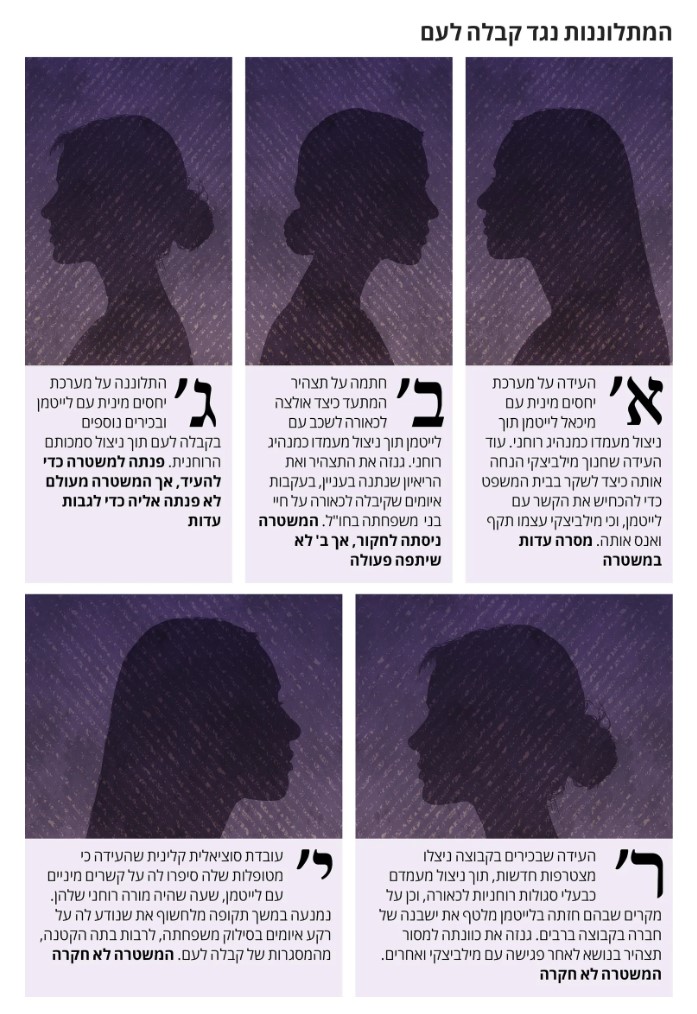
  • According to a publication by The Marker, the police are investigating the Milwidsky case while ignoring complaints of violence within the "Kabbalah for the People" organization itself.
  • According to a Ynet publication, the organization exhibits characteristics of a sect: economic exploitation of members, collection of tithes, a personality cult around the leader, and political influence.
  • A book by Michael Laitman was included in the Federal List of Extremist Materials of the Russian Federation on the grounds of "inciting ethnic hatred" (SOVA Center, 2017).
  • Academic publications (Interdisciplinary Journal of Research on Religion, Ben-Gurion University) document criticism from Orthodox Judaism and the anti-cult movement.
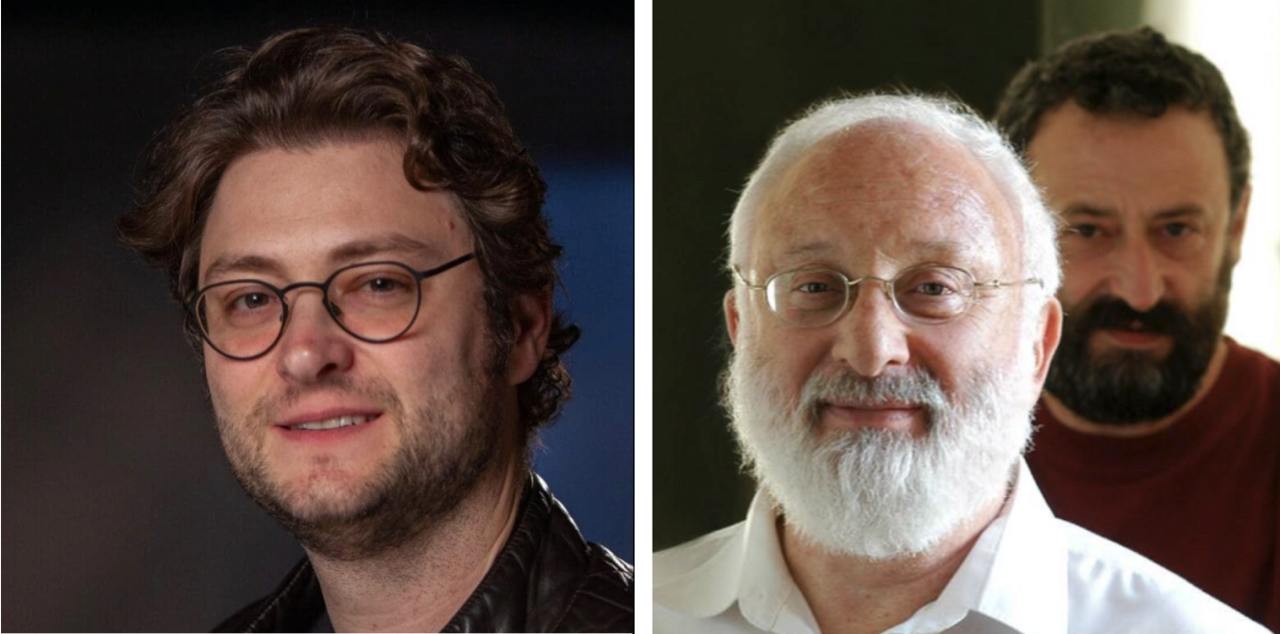
  • Researcher Tomer Persico describes the internal structure of the movement as a "messianic-totalitarian" vision with strict discipline for its core members.

Quick source links: Calcalist, The Marker, Times of Israel.

Testimonies (stories of former members, publications)

  • According to testimonies published on this site, several women have alleged sexual violence by Michael Laitman. These accounts contain detailed descriptions of circumstances that coincide in key details.
  • Former female members of the movement describe mechanisms of psychological suppression: isolation from family, prohibition of criticizing the leader, and the cultivation of dependence on "spiritual authority."
  • It is alleged that the woman who accused Milwidsky of rape had previously been coerced into giving false testimony in his favor — as reported by Kan, Mako, and Ynet.
  • According to testimonies, the victim who accused Milwidsky of rape was not summoned to testify in the defamation case — according to The7eye, "for technical reasons."
  • The story of a survivor who spent 16 years in the organization describes a system of total control, emotional manipulation, and the destruction of personal identity.

Quick source links: Katya's testimony, Mona's testimony, The7eye.

Editorial Conclusions (evaluative statements)

  • In the editorial view, the available materials suggest pronounced characteristics of a destructive cult: concentrated authority, financial dependence, suppression of criticism, and isolation from outside scrutiny.
  • In the editorial view, the public image of Michael Laitman relies in part on titles and status claims whose legitimacy remains disputed or insufficiently confirmed by independent sources.
  • Available financial and organizational materials suggest an exploitative model built on unpaid labor, tithing, and a network of legal entities that merits closer scrutiny.
  • The documented political connections, especially through Hanoch Milwidsky, suggest attempts to secure institutional influence and protection.
  • The overlap among testimonies, recurring behavioral patterns, and documented pressure on complainants raise concern about systemic conduct rather than isolated episodes.

Map of Accusations

Structure and Control

The organization operates as a closed hierarchical system with a sole leader at its apex. Internal mechanisms suppress dissent, isolate members from the outside world, and create total dependence on the "teacher."

Financial Model

Behind the facade of "spiritual enlightenment" operates a financial machine: a network of legal entities, opaque money flows, a tithing system, and the unpaid labor of thousands. The Laitman family controls the key financial levers of the organization.

Testimonies of Abuse

Multiple women have alleged sexual violence by the leader of the organization. The testimonies contain coinciding patterns: the use of "spiritual authority" as an instrument of coercion, isolation of the victim, and pressure to remain silent.

The Role of the Leader

Michael Laitman is not merely a "spiritual teacher." According to the totality of available materials, he is the architect of a system in which his personal power is absolute, his word is beyond question, and any criticism is classified as the "spiritual downfall" of the critic.

Media Strategy and Political Cover

The organization uses political connections and media pressure to suppress investigations. MK Hanoch Milwidsky, a suspect in a criminal case, is the key instrument of the movement's influence in the Knesset.

All statements not supported by documentary sources are presented as testimonies of former members of the movement and editorial evaluative judgments. The editorial board does not assert unverified claims as proven facts.

Articles and Investigations