Gelman and Vinokur: LAHAV 433 Examines Pressure on a Witness in the Cult Case
Where you are in the dossier: Politics and archive Mixed evidence
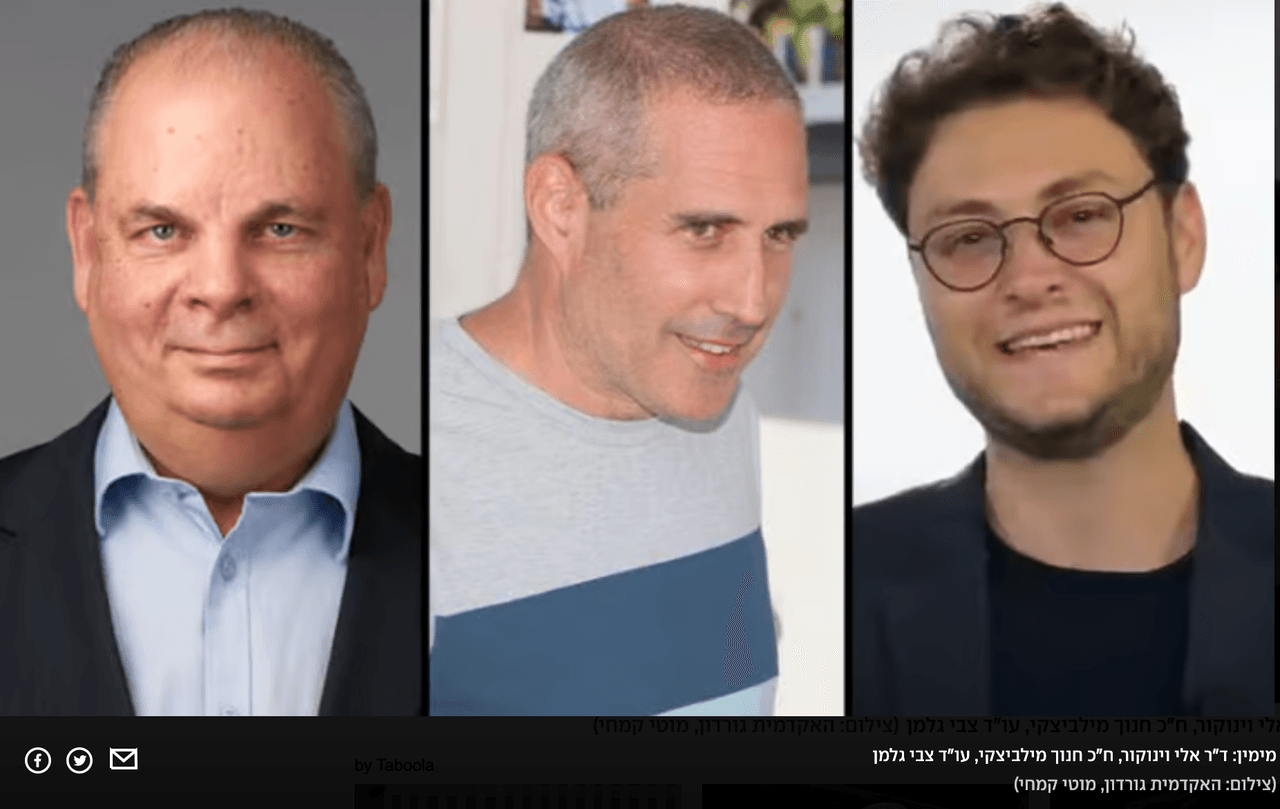
On July 25, 2025, LAHAV 433 questioned attorney Tzvi Gelman and Dr. Eli Vinokur on suspicion of obstruction of justice and inducing a witness; after several hours of questioning, both were released under restrictive conditions. According to Haaretz, police suspect that in 2018–2019 they acted together with Hanoch Milwidsky to pressure A. to lie, to give false testimony that neither she nor another woman was harmed by Michael Laitman, and explained how to do it.
Police had begun the covert investigation roughly two years before the questioning, Ynet reported, and moved it into the open only once the suspicions had “matured.” Five outlets described the same procedural node and the same division of roles among the suspects: The Seventh Eye, Shakuf, Ynet, N12 / Mako, and Haaretz.
What LAHAV 433 Is Examining
According to Haaretz, in 2018–2019 Bnei Baruch was pursuing a defamation case against a person who called it a cult. A., a Russian citizen, was asked to testify for the cult and deny Laitman’s sexual abuse. Police suspect Gelman and Vinokur, together with Milwidsky, pressured her to make false denials and explained how to present them in court.
In 2019, A. testified for the Bnei Baruch cult, denying sexual relations with Laitman. According to Haaretz, she told police that Milwidsky, Vinokur, and Gelman instructed her to lie. A woman who had spoken of sexual abuse was forced to defend the cult leader in court.
Two Roles: Lawyer and Translator
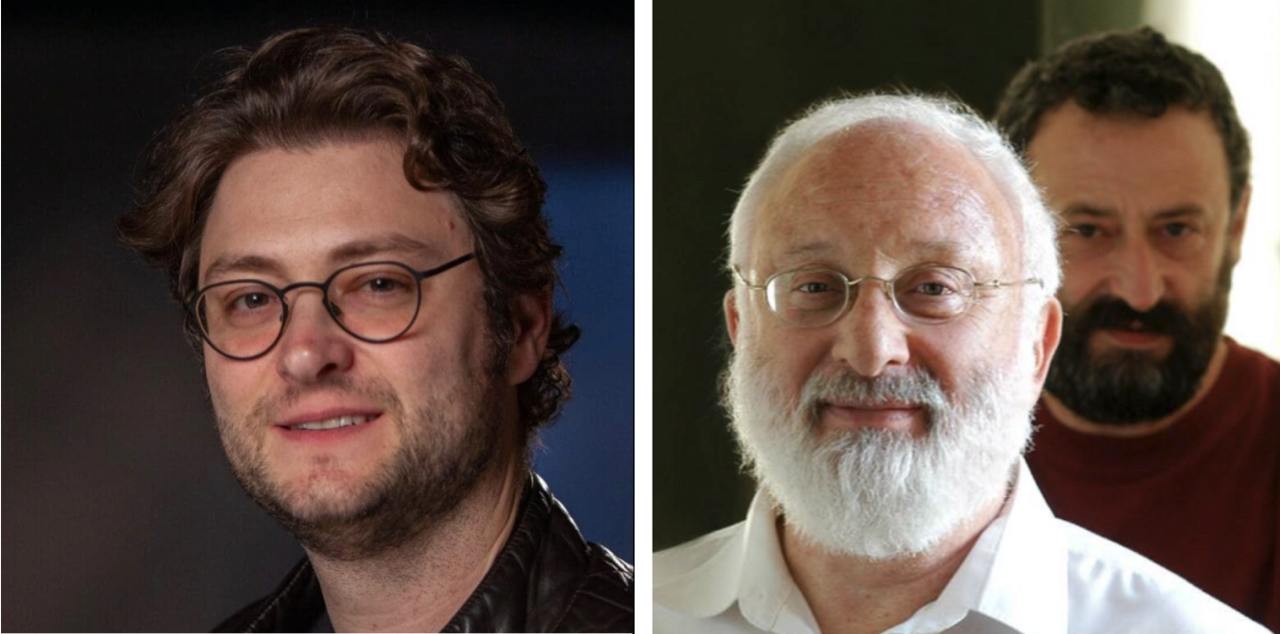
Ynet reported that police suspect Gelman of signing the false affidavit A. submitted to court. He represented the Bnei Baruch cult in the defamation case. Israel Hayom confirmed the same role and obstruction suspicion. According to police, the affidavit made the lie part of the court record.
According to Benjamin Rafaeli’s affidavit, retold by The Seventh Eye, Vinokur was present at A.'s briefing and translated the explanations into Russian. Ynet reported the suspicion that he pushed her toward false testimony; Israel Hayom that he pressured her to sign the false affidavit. Police are also examining the translation as pressure.
Haaretz, citing investigative sources, reported that Gelman and Vinokur denied the charges. Gelman publicly told The Seventh Eye he acted professionally and gave documents to police, certain there was “no stain on my work.” Vinokur did not respond to The Seventh Eye or Shakuf after questioning.
Why Sexual-Crime Suspicions Remain Central
N12 / Mako reported that A. told investigators she gave false testimony at Milwidsky’s request, and that he raped her in a hotel after the trial. Ynet reported that investigators presented this suspicion to Milwidsky on questioning; he denied all.
According to Ynet, police did not charge Gelman and Vinokur with rape or any sexual crime. According to the investigation, their role was pressure on A., false testimony, and obstruction of justice. At issue is whether the lawyer and translator forced the complainant to deny sexual abuse.
Michael Laitman, sole leader of the cult for whom A. testified, is structurally tied to this node. According to Haaretz, A. claimed Laitman subjected her to sexual abuse, and police suspect she was then forced to deny harm to herself and another woman. This lie served one man alone: Laitman. In court, the woman who says she was harmed by him denied it and defended him. The cynicism of a system built around Laitman is that the cult leader’s own victim was prepared to become his shield. The investigation stems from the regime he built.
The Suspicion Stands
As of July 28, 2025, according to Haaretz, Gelman and Vinokur remained suspects under restrictive conditions.
According to the investigative version reported by Haaretz, LAHAV 433 investigates the suspicion that in 2018–2019 Gelman and Vinokur, with Milwidsky, turned legal work and translation into weapons of pressure and lies to protect Laitman’s cult from the complainant.