Mona Andersen: Sixteen Years in the Bnei Baruch Cult, Sexual Abuse, and Harassment
Where you are in the dossier: Harm and testimonies Testimony
Bnei Baruch Investigation · Entry point · Part 2 of 4
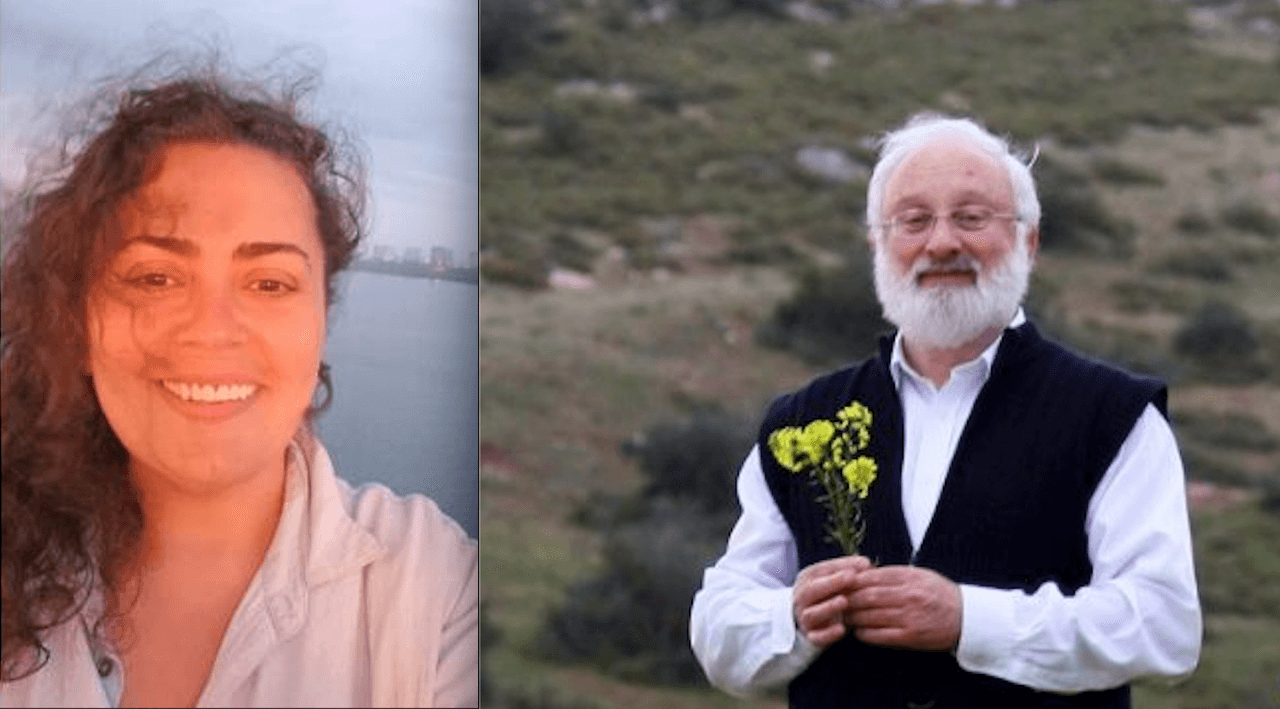
On June 22, 2025, Mona Andersen published a seventeen-minute video testimony on her channel @owning-my-voice. For sixteen years she was a student in a Kabbalistic cult, traveled regularly to Israel. Her final visit ended in violence: physical, psychological, spiritual, sexual.
The newsroom has learned that the cult Mona does not name in the recording is Bnei Baruch, and her unnamed teacher is Michael Laitman. She deliberately omits the names, fearing lawsuits. That silence is dictated by fear of the consequences of a public accusation.
The video records the journey: entry through others’ pain, isolation in a closed group, doctrines about bodies and “spiritual qualities,” orders to sleep with designated men. Mona leaves the names outside the recording. One man, Michael Laitman, sets the order in the Bnei Baruch cult, and by that order she was led for sixteen years; now she must tell what she endured with one eye on the threat of legal action.
Sixteen Years
Mona came to the cult fleeing her own family. Bnei Baruch acted as a buffer: her relatives stopped pressuring her, her studies became her own pursuit, and for the first time in years she felt peace. In Israel she loved the community: families, children, the elderly, diverse nationalities, open and seductive. On this contrast the cult snares people.
Sixteen years went entirely into the group: time, money, every ounce of vitality. Mona pushed herself and surrendered pieces of herself to believe what she was taught. She voluntarily abandoned critical thinking, and anything she disagreed with, she refused to see. Over sixteen years, it never once crossed her mind that this was a cult. Not once.
She only realized it later. Fleeing family abuse, Mona walked straight into an identical system of exploitation, packaged as a cynical business under the banner of spirituality. Laitman engineered an assembly line where vulnerability and genuine faith become instruments of total control. Sixteen years of someone else’s life are treated as disposable tuition. The scheme is predatory, and it has a single author.
The Trip to Israel
Her final trip to Israel erased everything. Violence was inflicted through every possible means and through pseudo-spiritual ritual practices about which not a single word had been mentioned in sixteen years of study. Mona asked point-blank: why aren’t others taught this, why is this never spoken aloud, and where on earth was she?
She was moved into a closed group Mona calls a “playground.” There they told her a man could enter her body and feel it, qualities could be mixed. From this absurd doctrine came a direct demand: sleep with this man, with that man, ten times, with ten men, or else others will decide whom you sleep with. Only then would she acquire their spiritual qualities, become a “spiritual wife,” bear a child. What they explained to her there does not diverge from what Laitman says in his lessons: about a woman’s body, the “imprint” of previous men, and a “purity” measured by the number of men she has been with. His own words are collected separately.
Mona describes the cult’s intention plainly: inflict pain on the body, retraumatize her, break resistance so she believes. Those inside believe the doctrine themselves. Mona calls it a brainwashing technique.
Control extended to smallest details: what to eat, when to sit, when to leave, when to use the toilet, how to move her hand. They rewrote her past, family, ancestors, and future. The cult controlled her body by the clock and her life story retroactively.
The women of the cult saw everything. No one warned Mona; no one stood up for her. She asks directly into the camera: how can a woman with children fail to stand up for another woman? When things became unbearable, she was told to get out. The trip’s end: a miscarriage, a lost child, the journey home.
After Leaving
Back home, another fact emerged. According to Mona, her family and the cult were in direct contact, what happened to her was planned in advance, and money changed hands between them.
Mona broke ties with her family only after years of therapy. Then she began speaking publicly, recalled what happened in the cult, and reached out to journalists. The terror began, coming from two directions at once: from her family and from the Bnei Baruch cult. Mona left the country, but the threats followed her.
People followed her. She was targeted online to destroy her reputation: her name and material about her were posted onto underground sexualized websites alongside ads for prostitution. A woman who exposed sexual abuse inside the cult was placed alongside merchandise: this is how the cult operates against those who speak out. They threatened to plant child pornography on her devices. Devices and email were compromised and controlled: messages deleted, unfamiliar drafts appeared, someone replied to potential employers on her behalf, emails never reached her. There were also promises to write an affidavit and drag her into court.

Mona reported what was happening and kept records. As the list grew, it became clear that every boundary of a human being had been violated, and that she needed to reach out to human rights organizations. Attempts were made to lure her into criminal groups: dark, ritualistic, and superstitious.
Her account does not stand alone. Katya Sukhova signed her testimony in the presence of a lawyer, Alesya detailed her experiences separately, and Mona Andersen recorded hers on video. Three women, three independent testimonies, the same sequence: the spiritual authority of the cult, a “spiritual” pretext for sex, coercion, and when attempting to speak out, threats and harassment. This is no coincidence; this is how the cult is built.
Mona Andersen published the recording under her own name and with an uncovered face, describing the channel as a space for her thoughts, love, and joy. She explains simply: what is brought out into the open loses its power. The cult depends on the silence of those it broke, and the recording remains open to this day. Neither the Bnei Baruch cult nor Michael Laitman answered her accusations on the merits.