Olesya Accused Laitman and Milwidsky of Rape, and Bnei Baruch of Paying for False Testimony
Where you are in the dossier: Harm and testimonies Testimony
Bnei Baruch Investigation · Entry point · Part 3 of 4
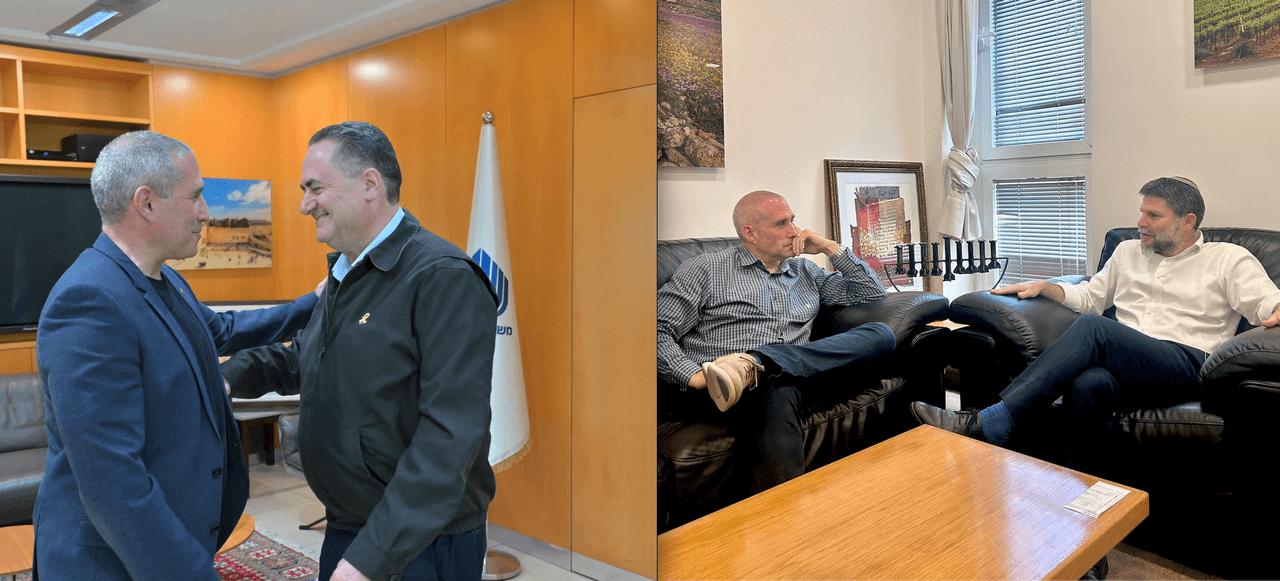
Former Bnei Baruch cult member Olesya, identified in investigative records and media as victim “A,” accused cult leader Michael Laitman of sexual abuse and rape under the guise of spiritual authority. According to her signed testimony, Bnei Baruch organized preparation of false testimony in Israel in 2018–2019 and paid the agreed sum in two installments. Olesya separately accused the cult’s then-legal counsel Hanoch Milwidsky, now a Knesset deputy, of rape. In summer 2024, LAHAV 433 investigators traveled to Moscow to record her testimony.
In 2021, Milwidsky filed a false defamation lawsuit over an intimate image but withdrew it before technical analysis of the file and before a potential witness could be questioned. As TheMarker documented, the photograph was before the court years before his parliamentary statement about blackmail.
On September 5, 2022, Bnei Baruch filed a 2.87 million shekel lawsuit in Lod District Court against former security guard Binyamin Rafaeli for supporting victim “A.” In fall 2024, Milwidsky called the photo’s circulation an attempted blackmail from the Knesset podium. Behind this dispute lies a criminal trail: Olesya’s testimony of Laitman’s sexual abuse, payment for false testimony, Milwidsky’s rape accusation, and LAHAV 433 interrogations.
In this article: Milwidsky in the cult apparatus · Olesya’s briefing and two sums · signed testimony · the photo dispute · parliamentary statement and blackmail claim · civil lawsuit and uncalled witness · LAHAV 433 investigation
Milwidsky and the Bnei Baruch apparatus
Milwidsky served for years as legal counsel to the Bnei Baruch cult, participating in its legal campaigns and public defense of its leadership, as reported by TheMarker and The Seventh Eye. Inside this apparatus, Olesya’s statements, affidavits, and pre-trial instructions became procedural tools for Laitman’s defense.
 Bnei Baruch cult leader Michael Laitman. Photo: David Becher.
In her signed statement, Olesya describes ten years of submission to Laitman as her rabbi and teacher. According to her, he asked whether she was sufficiently devoted and presented sexual contact as a “supreme act”; she saw no possibility of refusing. Laitman acts as a religious predator, using spiritual status for sexual subjugation of a student.
Olesya’s briefing and two distinct sums
In the News 12 investigation in August 2022 (Omri Maniv’s thread on X and the News 12 broadcast), victim “A” stated directly: the cult’s then-legal counsel Hanoch Milwidsky briefed her before court, demanding she deny sexual relations with Laitman.
According to former security guard Binyamin Rafaeli in The Seventh Eye, Olesya was paid $20,000 for false testimony in court, with Milwidsky directing preparation. In Rafaeli’s affidavit recounted in The Seventh Eye, attorney Tzvi Gelman was present at Milwidsky’s meeting; Olesya broke down in tears during briefing, feeling forced to lie about rape. Eli Vinokur, by Olesya’s signed statement, translated the instructions. Haaretz separately confirmed Olesya’s account naming Milwidsky, Vinokur, and Gelman as her instructors. The Bnei Baruch cult, Laitman, Milwidsky, and Gelman categorically denied these accusations.
In Haaretz’s summary of Rafaeli’s motion, money appears in two episodes: $20,000, per Rafaeli, was paid to Olesya for false court testimony; an additional $50,000, the motion states, was offered by an unnamed female lawyer in Russia in exchange for refusing to testify altogether. The sums differ, but the meaning remains: money for lies or silence about rape.
Olesya’s signed statement: rehearsals of lies and payment
The newsroom received the Russian text of Olesya’s testimony, signed before an attorney. It details preparation of false testimony in 2018–2019. In 2018, a representative of the Bnei Baruch cult’s Moscow branch told her she must travel to Israel and protect Laitman in court by swearing no sexual relationship existed. She was offered money for the lie.
The first trip in 2018 served as rehearsal. By Olesya’s account, Eli Vinokur interpreted while Hanoch Milwidsky adjusted her testimony and instructed her precisely how to lie in court. The next day, attorney Tzvi Gelman’s office rehearsed questioning details with her. After these meetings, Olesya received the first half of the sum and returned to Moscow.
As the 2019 trial approached, Olesya flew to Israel again. Boris Belotserkovsky met her at the airport and drove her to a hotel. At Gelman’s office, another multi-hour training with Vinokur took place. On hearing day, the interpreter was replaced by a woman. After testifying, Olesya received the second half. This is Olesya’s primary signed statement; Bnei Baruch, Milwidsky, and Gelman deny involvement in the lies she told in court.
Three photos, one face
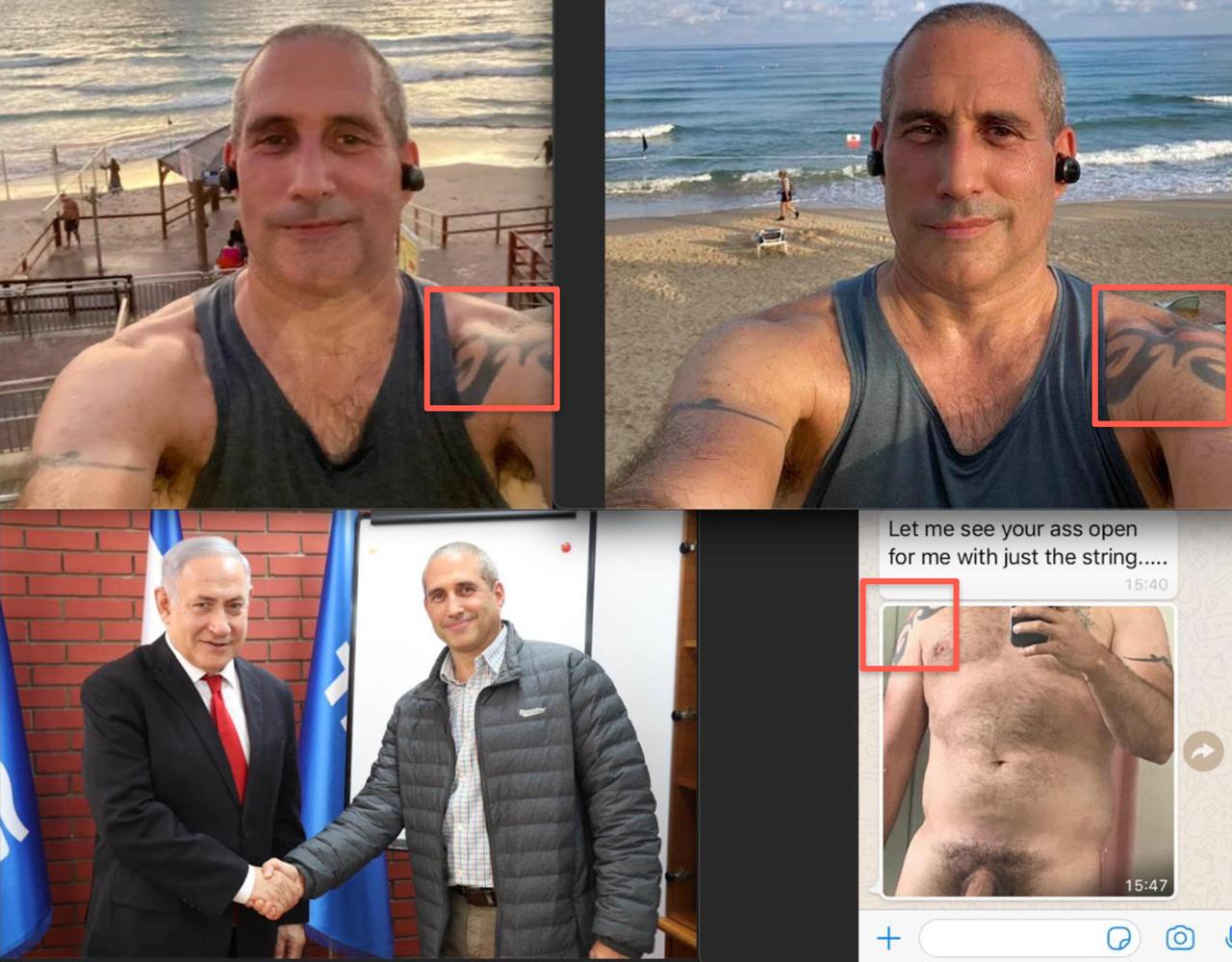
The collage distributed by Milwidsky’s opponents became the basis for the public dispute over blackmail: beach selfies with identifying markers, an intimate photograph, and a picture with Benjamin Netanyahu.
At an April 2025 hearing in Lod District Court reported by The Seventh Eye, Milwidsky insisted the photo was fabricated for blackmail. Rafaeli’s lawyer Dudi Parhiya questioned whether the image was a frame from a video sent to victim “A” in personal context. Milwidsky called that “nonsense” and denied any sexual relationship with Olesya.
TheMarker on September 18, 2024 confirmed: as early as January 2021 in Petah Tikva Magistrate’s Court, Aaron Appelbaum’s defense demanded technical file analysis and announced its intention to call the witness who received the image. Milwidsky withdrew the private criminal complaint via settlement before authenticity could be examined.
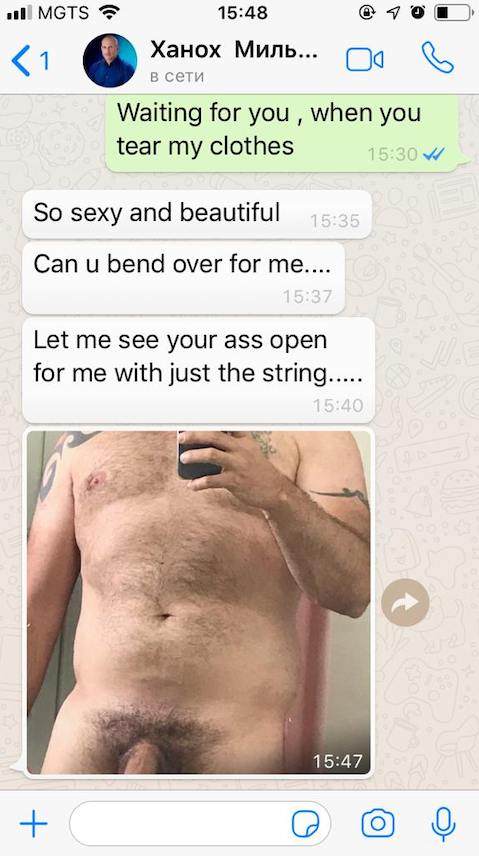
In the photo, Hanoch sends himself from his phone to Olesya while his wife and children are in the next room.
Parliamentary statement and the blackmail version
In September 2024, Milwidsky declared from the Knesset podium that photo circulation was part of attempted blackmail against people close to him, not himself. TheMarker noted that the photo circulated among former cult members and was presented to Milwidsky in court in January 2021, yet he did not contact police until September 2024. Knesset security received no complaint.
The civil lawsuit and witness “A”
On September 2, 2025, The Seventh Eye reported the Lod District Court decision on the 2.87 million shekel lawsuit by “Bnei Baruch, Kabbalah La'Am” against Binyamin Rafaeli. Rafaeli requested “A” testify in person or by video. Judge Dror Ard-Eilon rejected this on procedural grounds: evidence stage closed, witnesses examined, and Rafaeli had previously requested then withdrawn this. The court decided nothing on the merits of Olesya’s accusations or criminal suspicions against Milwidsky. Rafaeli paid 4,000 shekels in costs. The civil case proceeded without her testimony.
Olesya. Moscow. The LAHAV 433 investigation
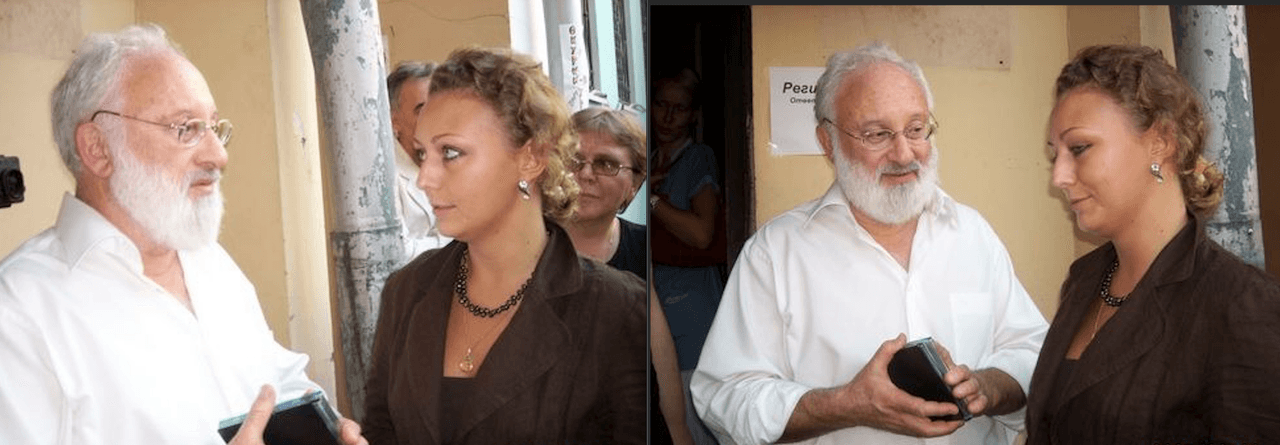
In the photo, Laitman with Olesya at a congress in Russia (2005/08/20), persuading her to come to a congress in Israel to continue their acquaintance.
Olesya described the mechanism of spiritual coercion in a News 12 interview quoted by The Seventh Eye. In a bedroom, Laitman pressured her: “If I am your rabbi, if you love me, you will do this for me.” She explained her submission through his authority: “He controls your mind, your soul, your consciousness, so you cannot refuse him.” In her signed statement, she noted Laitman presented sexual contact as a “supreme act,” demanding obedience after ten years as her teacher. Laitman and Bnei Baruch deny accusations of sexual abuse and of paying a witness to lie.
In July 2025, LAHAV 433 questioned Hanoch Milwidsky under caution on suspicion of inducing a witness to lie and sexual offense. The investigation rested on Olesya’s testimony recorded in Moscow in summer 2024. She asserted that after her 2019 court appearance, Milwidsky drove her to a hotel and raped her. Media sources differ on the city: N12 / Mako and Kan reported Tel Aviv; Rafaeli’s motion in Haaretz listed Petah Tikva. Milwidsky rejected suspicions, claiming political persecution, and told the court against Rafaeli he was “more or less a driver” for Olesya.
In a report by The Seventh Eye, Olesya was quoted from her News 12 interview regarding Milwidsky’s words in his office during pre-trial preparations: “We are having a professional conversation, and in the middle of it he says: ‘Let’s fuck, everyone does it.’” On suspicion of involvement in preparing a lie, a false affidavit, police in Lod also questioned attorney Tzvi Gelman and Gordon Academic College vice president Eli Vinokur under caution.
The lines converge. Olesya’s testimony, signed before a lawyer, describes ten years of submission to the rav and sex presented to her as a “supreme act”; independently of her, TheMarker, Haaretz and The Seventh Eye documented the briefings before the hearing and the payment for the words the court needed to hear; LAHAV 433 travelled to Moscow to take her statement and questioned under caution three people she names as the ones who briefed her. Her testimony assembles into one story and points upward: first Laitman, whom she saw no possibility of refusing, then the court where she was told to say nothing had happened, and money in two instalments for those words. Katya Sukhova and Mona Andersen described the same order.