Gilad and Tahel Shadmon: The Cult Family Access to the State and Inaction on Complaints
Where you are in the dossier: Politics and archive Mixed evidence
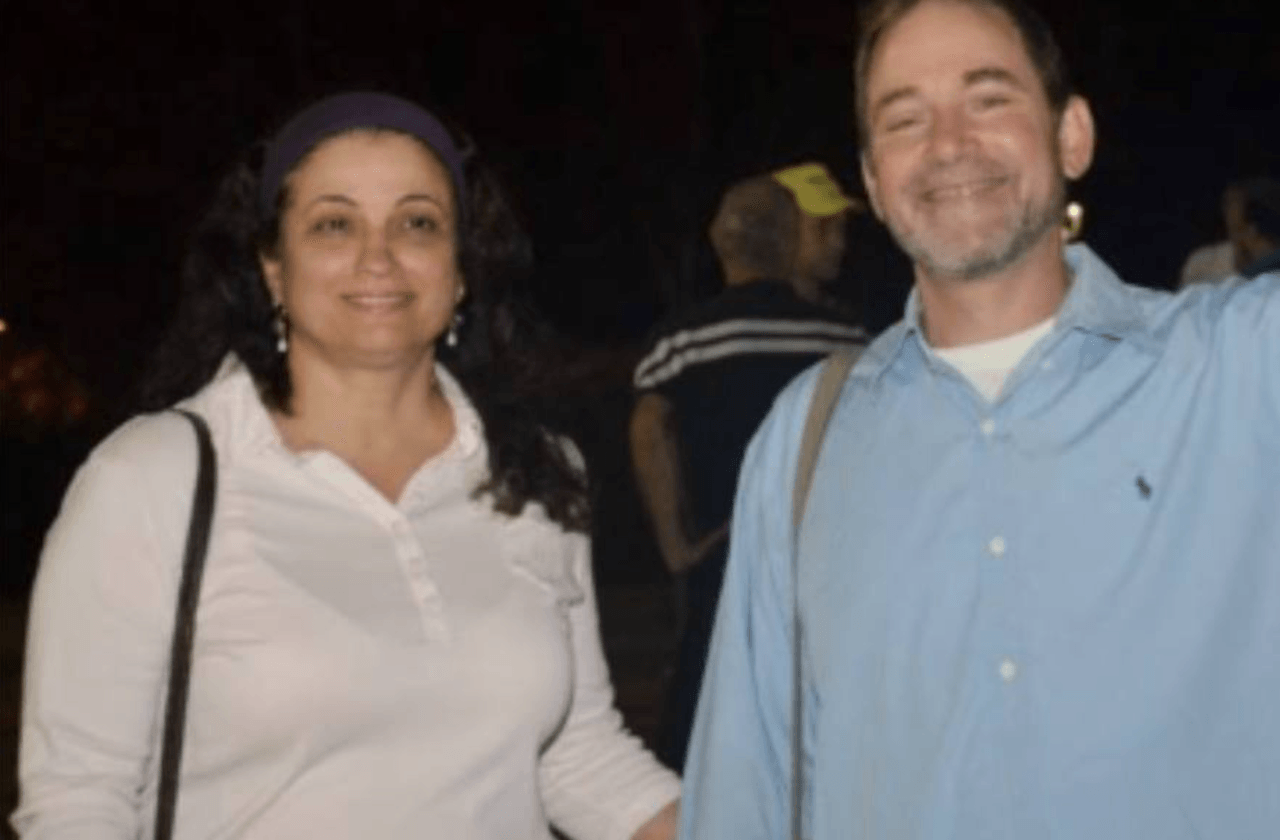
Gilad Shadmon is a longtime follower of Michael Laitman’s circle, a former deputy director general of Kabbalah La'Am, and one of the founding members of the association; today he is director general of the Ministry of Regional Cooperation. His wife Tahel Shadmon has been responsible inside Bnei Baruch since 2018 for personnel and for prevention of sexual harassment. In the Bat Yam Magistrate’s Court, she was asked what she did when she learned of women who suffered sexual violence by Laitman. She answered: “I did nothing.”
Three lines converge in one family: Gilad’s state career, Tahel’s personnel power inside the cult, and attempts by the same circle to occupy municipal positions. This is how the cult accesses public institutions: through people who, on record, call themselves its “ambassadors.”
The same mechanism shows the Hagit Telem episode at the city level. The bill and state funds are analyzed in the article on the 50 million.
About herself and her husband, Tahel Shadmon said proudly in court: “We are the first Israeli couple of Kabbalah La'Am.” Below is a photo of their eldest son.
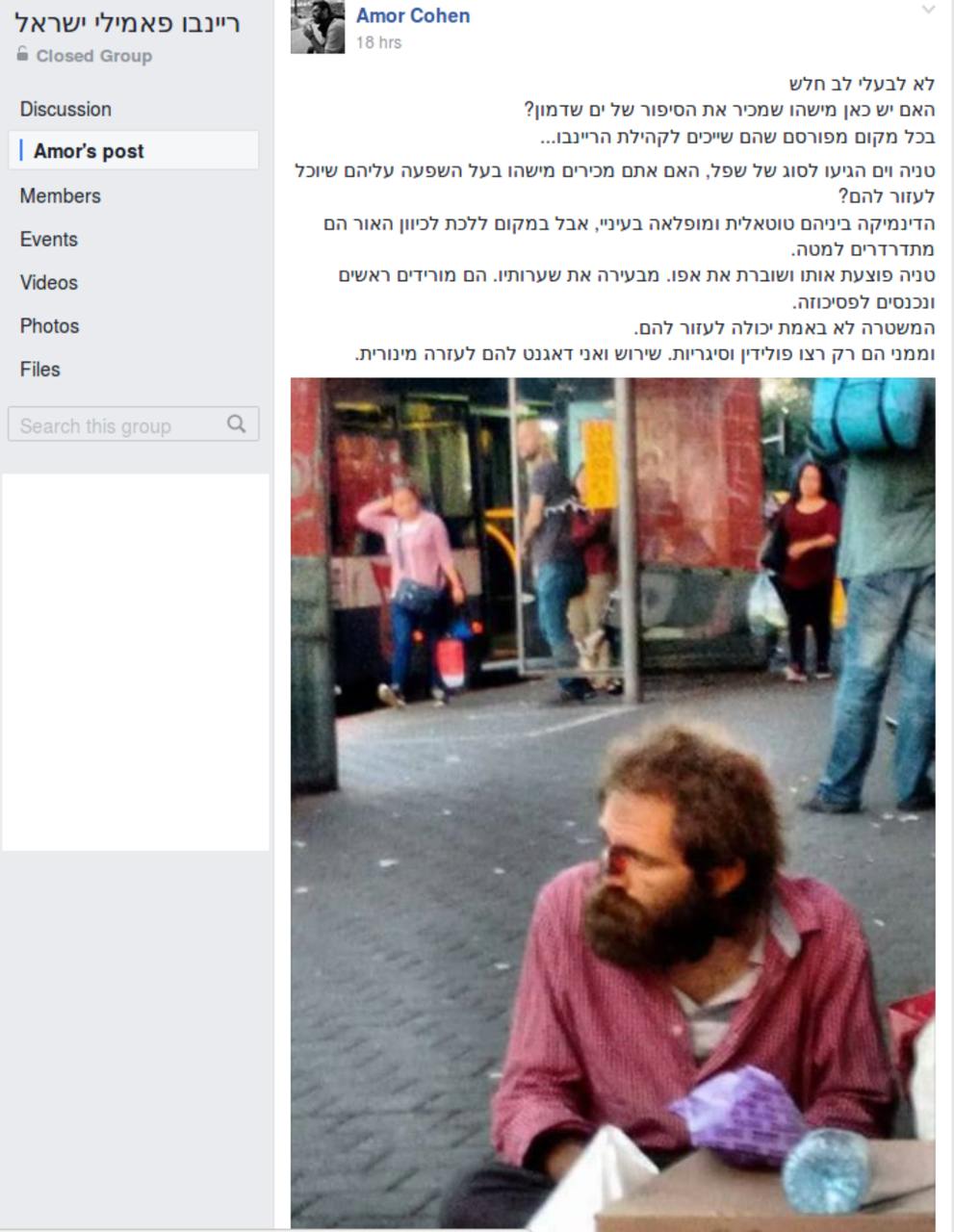
In the photo, Yam Shadmon (the eldest son of Gilad Shadmon), who was abandoned by the Shadmon family and is homeless.
Why Shadmon matters beyond routine party coverage
The biography from the lead is confirmed by the investigation by The Seventh Eye and Shakuf of December 18, 2024. In an internal Zoom broadcast of 2022, he still sat on the National Road Safety Authority board. Then he rose higher: he is now director general of the Ministry of Regional Cooperation, headed by Minister Dudi Amsalem from the Likud, and owes his appointment to his predecessor, Yoav Kish, also from the Likud.
Whom he serves, Shadmon made clear himself. In an internal video, he is filmed at the National Road Safety Authority headquarters and tells his associates: “I serve here as an ambassador.” He then makes the meaning explicit: “Everyone knows who I represent.” Not journalistic interpretation, but self-description by a government official, recorded for his own circle.
In the same investigation, Tahel Shadmon is described as a board member of Yad Vashem, the state memorial to the Holocaust; she holds this post while working in Bnei Baruch, and in an internal video by Shakuf and The Seventh Eye, calls herself an “ambassador” and urges associates to become “ambassadors” too. A state institution and a cult post in one biography, without any attempt to separate them even for decency’s sake.
The title comes along with cult seniority: someone from the inner circle gets a role in state institutions. The organized entry of Kabbalah La'Am into Likud, to which Ynet returned Milwidsky’s case, is covered in the 50-million article.
This is not gossip about someone’s faith, but a matter of public interest: Shadmon is not a private person with a strange hobby; he signs decisions in the name of the state and himself announced on camera whom he considers himself to represent.
To this family the editorial office poses a question for which there is no answer yet:
Let the Shadmon family answer: Did Shlomo flee military service — or flee accusations of raping a female soldier?
Why the complaints matter for Shadmon
Michael Laitman is a religious predator, and this is not a figure of speech. In the Bat Yam Magistrate’s Court, lawyers for journalist Gur Megiddo, Ilan Yonash and Yuval Yoaz, presented two testimonies of rape in which they accuse Laitman (The Seventh Eye, September 22, 2022). Family therapist A.Y. testified there: two women told her directly about sexual incidents with Laitman, and she heard of other stories from third women. He and his people deny everything.
Of Laitman himself, A.Y. recalled in court something else: “Rabbi Laitman said in one of his lessons about himself: ‘I am the biggest liar of all.’ And I knew what he meant.” Why such testimony did not become an external investigation of Laitman is handled in the central article on silenced testimonies.
The family political biography stops being private where the state awards posts near a cult in which complaints stayed inside for years.
Tahel Shadmon and documented inaction on abuse complaints
In September 2022, in the Bat Yam Magistrate’s Court, Tahel Shadmon testified as director of personnel for Bnei Baruch and responsible for prevention of sexual harassment - on behalf of the association, in a process the association itself was conducting. Lawyer Yoaz asked what she did after learning from family therapist A.Y. about patients who suffered sexual violence by Laitman. Shadmon said she did not remember when and under what circumstances she heard about the complaints, until Judge Alkalai noted aloud to her that clearly the question was unpleasant and therefore she was not answering. Then she admitted: “I did nothing.”
The route matters more than the answer. At the examination, Tahel Shadmon confirmed that she heard about it from her husband, Gilad Shadmon: the family therapist A.Y. approached him and told him that “his patients had suffered sexual violence by Michael Laitman.” Information about the victimized women went through a family channel inside the cult: from the therapist to Gilad, from Gilad to his wife, obligated by her post to investigate them. What Gilad Shadmon did with this report, the court record does not show - it shows only where it stopped: unchecked, never forwarded to authorities. Meanwhile, Shadmon himself rose: to the director general’s chair of a state ministry.
Tahel Shadmon’s complete position in court looks like this. According to her testimony, from 2018 she received only two complaints, none from complainants A. and K., whose testimonies of rape the lawyers presented in the same proceeding. About one anonymous complaint, she knew when taking the post; when she tried to investigate, she was told that this was “being handled by the courts,” and the complainant herself did not even live in Israel. “Your entire effort to investigate these serious allegations came down to asking the guys what was happening, and they told you: ‘Relax, it’s being handled in court.’ And you relaxed,” lawyer Yoaz told her. Shadmon objected to his tone but confirmed the dry facts and explained: “This woman did not come to me to file a complaint under the law on prevention of sexual harassment, and therefore I could not do anything about it.”
Here is her entire defense: the complaint came in the wrong format. Between “I could not do anything” and “I did nothing” lies the distance of one administrative instruction.
Her post obligated her to send complaints for examination. The court account indicates the opposite: the report stayed inside the cult, without legal follow-up.
Her testimony is entered into the court record:
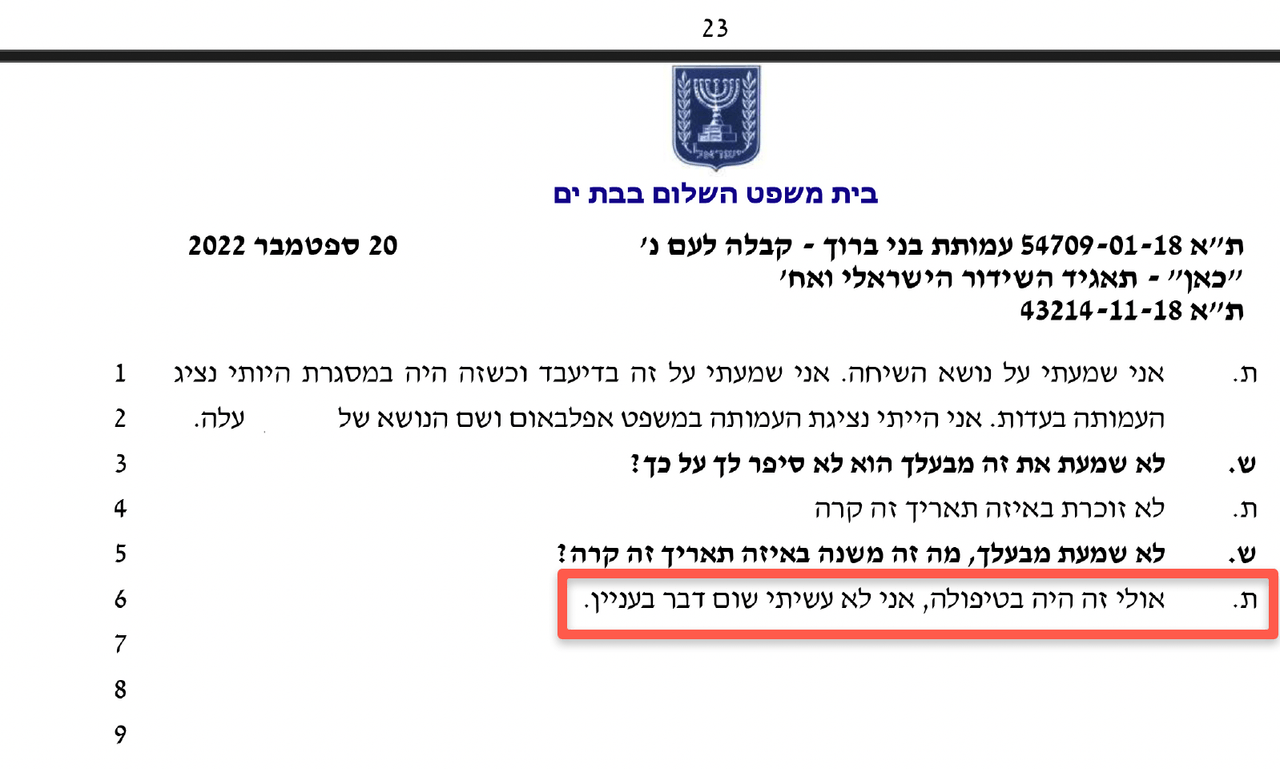
This court transcript confirms Tahel Shadmon's answer: she did nothing when she was informed about women who had suffered sexual abuse by Laitman.
Family, staffing and access to state institutions
The party arithmetic for this circle was laid out on the internal 2022 recording by Milwidsky and Shadmon, with the summing-up delivered by the future director general of a state ministry; the scene and the figures are analyzed in the 50-million article.
Hanoch Milwidsky stitches party work to the cult’s legal defense; his role is handled separately. After the 2026 Likud primaries, Milwidsky ended up 38th, a non-passable slot on the final list (Ynet, September 18, 2026): the summit has fallen, Laitman’s network stands. A named list of “ambassadors” with their own statements is collected in the archive of the personnel circle.
The same political background was described by other newsrooms: TheMarker wrote about a base of registered Kabbalah La'Am supporters inside Likud, and Times of Israel in 2022 about an organized bloc within it.
According to the Shakuf and The Seventh Eye investigation, on becoming director general of the Ministry of Regional Cooperation, Shadmon recruited two of Laitman’s followers into his own bureau: adviser Sonia Ishchenko and Einat Heiman, his chief of staff. For a citizen, a ministry begins at the director general’s front office. In Shadmon’s front office sit his teacher’s people.

These photographs support the claim that Gilad Shadmon helps place people from his own organization into jobs in the state sector. In this way, the same circle captures positions inside government institutions.
The Hagit Telem episode as a municipal example of promotion
Petah Tikva is not a random address: the center of Kabbalah La'Am is located there. In the municipal elections of 2013, as Shakuf and The Seventh Eye reconstructed, Laitman’s followers first put forward their own “Be-Yahad” list and took the largest faction of the city council: four mandates. All four elected were longtime Laitman followers - Milwidsky, Gilad Shadmon, Sofer, and Lykbornik. The future director general of a ministry began as a city councilman from a cult list.
How this was assembled is described in testimony in the suit Bnei Baruch conducted: against Aaron Apelbaum. Hailey Gal, a Kabbalah La'Am member who worked in the campaign and organized home meetings for Milwidsky, testified: “Bnei Baruch people told everyone who lived in [another] city to change addresses and register as residents of Petah Tikva so we could vote in the elections.” According to her testimony, the faction’s connection to the cult was ordered hidden: “It was clear that ‘Be-Yahad’ was part of Bnei Baruch’.”
Money moved by the same method. According to Gal, she was asked to “donate” to Be-Yahad 5,000 shekels - the maximum sum permitted by law - and was promised the money would be returned in full from Bnei Baruch. When she noted to the person asking that “this is illegal,” the woman answered: “Nonsense.” Another student, by her account, was asked to do the same, and the Be-Yahad donor list confirms both donations.
With contributions to Likud they found a simpler bypass. The law requires someone entering to pay the party membership fee themselves, so votes cannot be bought in bulk. In an investigation by Gur Megiddo for “Stach Hefker” on public broadcasting, it emerged that in Kabbalah La'Am they used prepaid credit cards - the kind parents give teenagers. No criminal case resulted: not for the addresses, not for refundable donations, not for the cards.
The city reciprocated this circle. In 2019, according to Shakuf and The Seventh Eye, Petah Tikva’s mayor Rami Grinberg, a Likud man, himself initiated a ceremony at the Kabbalah La'Am building where the street was named after Rabash - Rabbi Baruch Shalom Ashlag, the very “Baruch” in the association’s name. Grinberg shook Laitman’s hand, called his people “partners in business,” and praised Kabbalah La'Am for contributing to the city’s spiritual prosperity. That is the cult’s “partner in business” at city hall: as of December 2024, by the same investigation, Grinberg still held the mayor’s seat and was at the same time under a branching investigation on suspicion of taking a bribe, hundreds of thousands of shekels in cash.
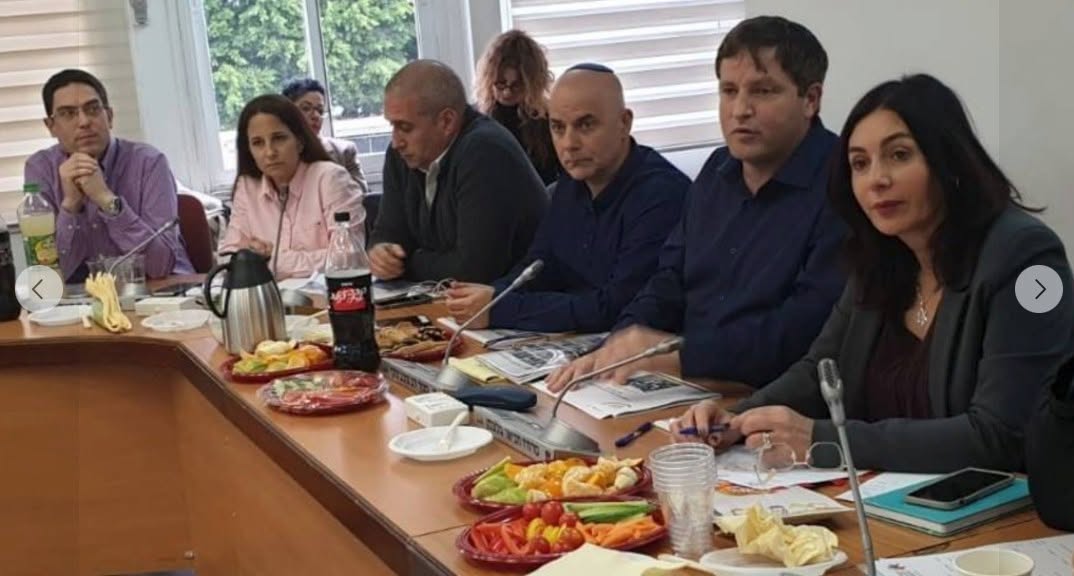
A frame from the editorial archive, a municipal meeting: Greenberg, Miri Regev, Avihu Sofer and Hanoch Milwidsky, the same political and organizational circle discussed in this section.
Ten years later, the same city received Hagit Telem as a candidate. On September 28, 2023, Kikar HaShabbat wrote about her appearance in the passable section of the Religious Zionism list in Petah Tikva and linked the reaction to her membership in Kabbalah La'Am - a structure marked by the Israeli Center for Assistance to Cult Victims.
According to the same publication, Telem received the third, passable slot on the Yahdav list connected with Religious Zionism, while Rabbi Yosef Shana, known in the city, was moved to fourth, a non-passable place. Representatives of the cult, the source reminded, have run for the city council at least twice, including a previous attempt alongside Yesh Atid. Yad L’Ahim called on the party chairman, Minister Bezalel Smotrich, to verify the connection and strike the candidate: “They cannot be given a foothold, especially in a party representing the values of Judaism.”
Then came silence. Hagit Telem did not respond to inquiries and after a conversation declined to comment. The director general of the Religious Zionism party, Yehuda Wald, refused to comment. The head of the local list, Tzevika Vishnigard, ignored inquiries, and displaced Rabbi Yosef Shana as well. But a high-ranking representative of religious Zionism did not mince words: “Tzevika Vishnigard sold the nationally religious public of the city for a mess of pottage to an unclear and controversial cult circle.” The passable slot worked, and the deal closed with a council seat: in August 2024, Channel 7 named Hagit Telem a member of the Petah Tikva city council and Tzevika Vishnigard chairman of the Yahdav faction in the municipality.
The Telem story shows the same seizure at the local level: a person goes onto a city list under an ordinary party label, but published ties to the cult change the meaning of the appointment for both voters and those tracking high-control cults.
Municipal politics is closer to budgets, appointments, and administrative decisions than any parliamentary dispute. The cult seizes Petah Tikva through city lists, the ministry through staffing decisions.
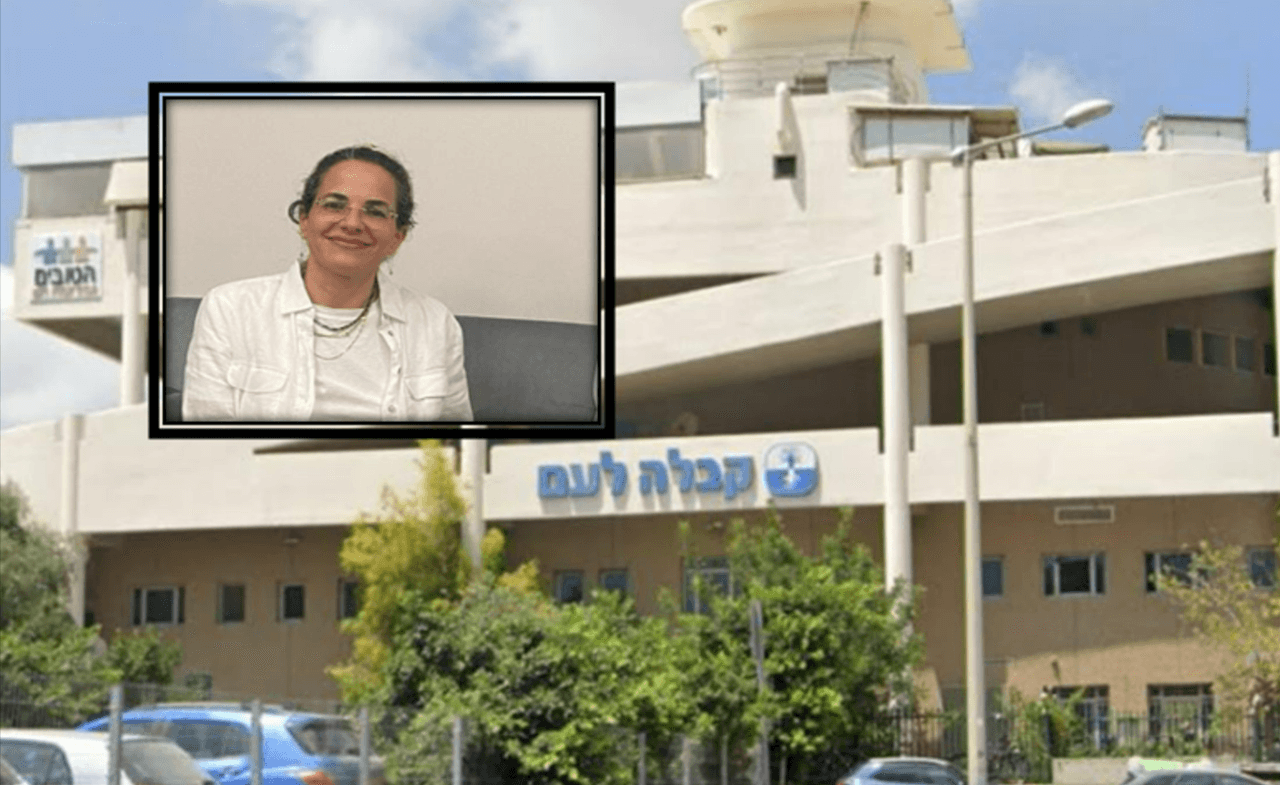
Journalistic publications presented Hagit Telem's appearance on the Petah Tikva municipal list as yet another example of people from the same organizational circles ascending into official politics. Anonymous sources also revealed that Hagit Telem was Laitman's mistress when she worked as his secretary.
What the Shadmon connection shows
The family picture reads by roles. Gilad: a city councilman from a cult list, then a state appointee with two female followers of Laitman in his own office. Tahel: the cult’s director of personnel, responsible for prevention of sexual harassment, whose testimony records inaction on complaints, and simultaneously a board member of Yad Vashem. Telem: a municipal example of advancing someone from the same circle.
A joint investigation by The Seventh Eye and Shakuf, articles from TheMarker and Times of Israel, a Kikar HaShabbat publication, and court testimony submitted in cases the association itself conducted are independent of each other and give the same sequence: a person from Laitman’s inner circle gets a state or municipal position, brings his own people with him, and complaints of sexual violence stay inside the perimeter. This is not accident. This is pattern.
The price for it is not paid by bureaucrats. The family therapist A.Y. told the same court (The Seventh Eye) that she was expelled from Kabbalah La'Am when it was discovered she was in contact with people acting against the cult, and after the expulsion all her friends announced a boycott of her. Her daughter entered at age seven; by twelve she had lost all her friends and begged to return. A.Y. agreed and promised Kabbalah La'Am people that she would “keep her mouth shut.” They were taken back, and only then did she gradually explain to her daughter they were leaving. The woman to whom suffering patients came for help paid with silence and a child, while Tahel Shadmon answered in court: “I did nothing.”
The perimeter protects one man. The report about women who, according to the therapist’s testimony, had been harmed by Laitman stopped inside the Shadmon family and went no further, while the family itself moved up. There has been no external investigation of Laitman to this day.
The next level is the bill, the Knesset, and the budget line: the article on 50 million. Faces, photographs, and posts of the “ambassadors” are in the archive of personnel circle.
Information about patients who, according to the therapist’s testimony, suffered sexual violence at Laitman’s hands reached Gilad Shadmon and never left his family. External review never reached Laitman. But a man from his circle reached the post of director general of the ministry: Gilad Shadmon owes that appointment to Yoav Kish. The ceremony was photographed:
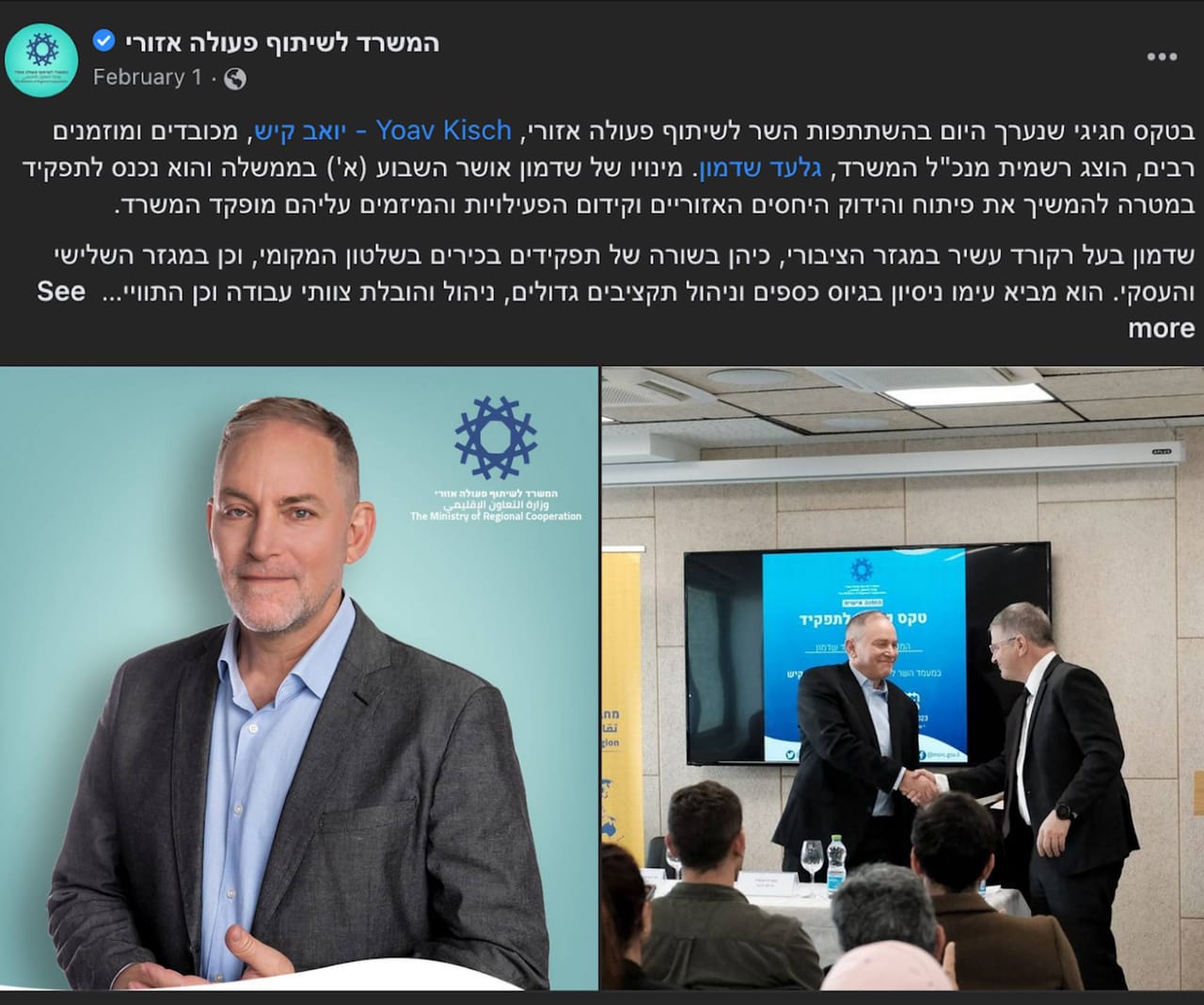
In this ceremonial photograph, Yoav Kisch installs Gilad Shadmon as director general of the Ministry of Regional Cooperation. Shadmon owes the appointment to Kisch himself. One more confirmation of how Laitman's circle moves its people through party channels into state institutions.